Progressive Driving Lessons: copyright for Our Professional Driving Course Now!
Progressive driving lessons present a comprehensive approach to mastering vehicle operation. Joining an instructor-led program can considerably improve a learner's skills and confidence. The curriculum is carefully designed to encompass introductory and sophisticated skills, catering to various experience levels. Knowing what these courses involve can make all the difference. There are several key components that support successful skill development and test readiness.
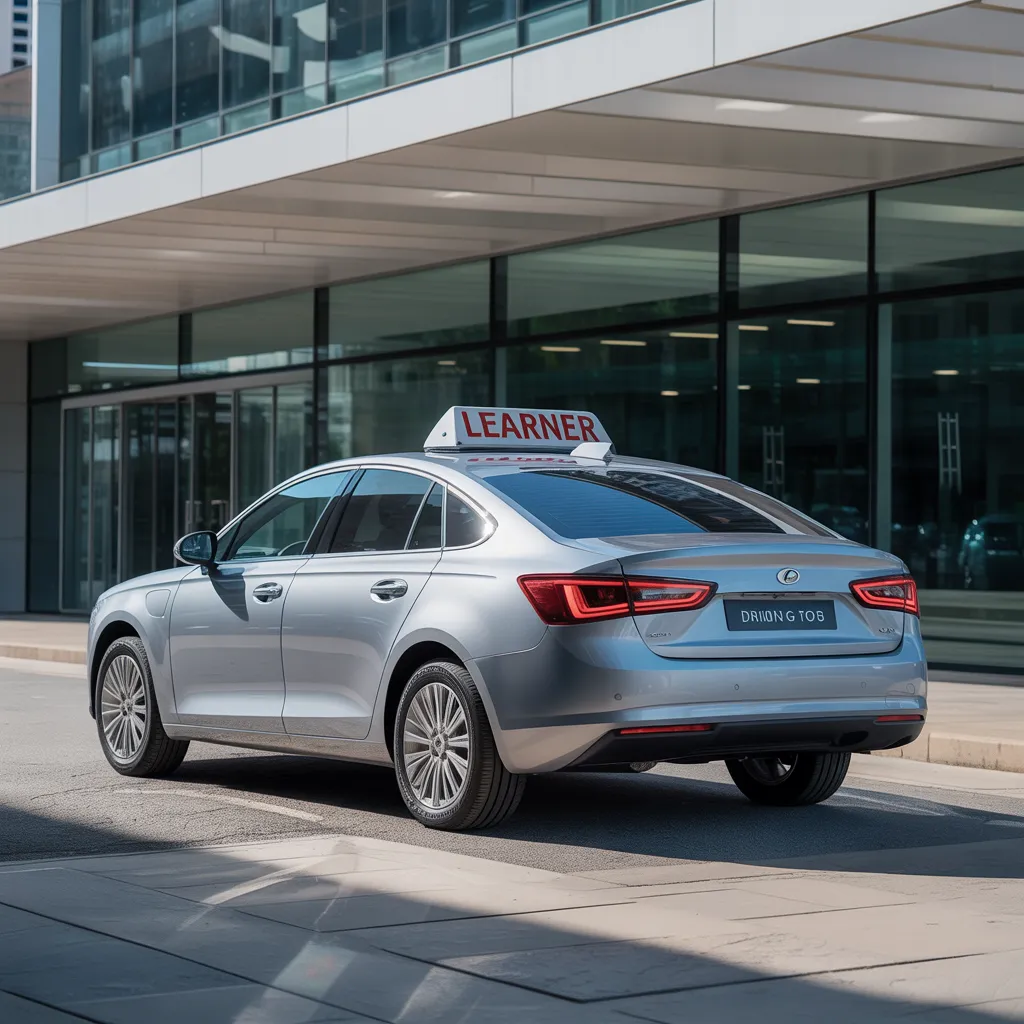
What to Anticipate in Your First Driving Lesson
The moment a student starts their first driving lesson, they may notice a mix of excitement and anxiety. The instructional space, often filled with fellow students, creates the foundation for a significant experience. Teachers typically open with introductions, detailing the program framework and safety procedures. Students can expect to receive learning resources, including booklets and printed materials, which will function as helpful resources throughout their training.
The initial focus is largely on understanding the vehicle's controls, essential road signs, and fundamental traffic laws. Instructors may also emphasize the value of keeping a composed attitude behind the wheel. Students are encouraged to ask questions, building an encouraging educational setting. Following the classroom instruction, most sessions incorporate real-world practice, where participants gain experience with the car in a safe environment. This blend of classroom learning and hands-on experience equips students for their driving journey, fostering self-confidence as they set out on the path to becoming responsible and capable drivers.
Driving Program: Essentials to Advanced
A complete driving course includes a advancement from essential competencies to sophisticated methods, making sure that drivers acquire a robust understanding before addressing more advanced traffic conditions. At first, new drivers focus on fundamental car handling, including directional control, deceleration, and throttle control. Students gain knowledge of essential traffic laws, traffic signs, and safe road behaviors, offering a thorough understanding of the highway code.
Once students show capability in these foundational areas, the program progresses to greater levels of skill. This includes maneuvering across multiple terrain types, managing adverse weather conditions, and excelling in defensive driving methods. Additionally, drivers gain experience with motorway navigation and challenging junctions, strengthening their capability to make quick decisions under pressure.
Within the course, teachers stress the significance of situational awareness and responsible driving behavior. This systematic framework prepares students not only to complete their driving assessments but also to emerge as capable and self-assured drivers in diverse environments.
Building Confidence as a New Driver
New drivers often face challenges in building their confidence behind the wheel. The initial experience of driving can be overwhelming, with numerous tasks to manage and a constant need for focus. To help reduce stress, beginner drivers can gain from steady, hands-on experience across different driving scenarios. Commencing practice in areas with minimal traffic gives them the opportunity to strengthen core competencies away from the stress of busier, more intricate road conditions.
Regular practice is essential; dedicating more hours to driving allows them to develop greater familiarity and comfort with their vehicle and surroundings. Additionally, enrolling in expert-led driving classes offers structured learning and professional guidance, fostering a sense of security. Positive reinforcement from instructors and supportive peers can also enhance a new driver's self-esteem. Over time, as skills improve, new drivers will find their confidence grows, transforming driving from a challenging task into a more enjoyable and liberating experience.
Getting Yourself Ready for Your Driving Test
What is the best way for a new driver to prepare for their driving test? Proper preparation plays a vital role in achieving success. To begin with, getting acquainted with the vehicle is crucial. New drivers should make certain they know how to operate all controls, including lights, wipers, and signals. Furthermore, working on maneuvers including parallel parking, three-point turns, and lane changes will strengthen their driving skills.
In addition, going over the driving regulations in your area can give important guidance into the examiner's expectations. Arranging a trial examination with an experienced instructor can mirror the real driving test environment, thereby lowering test anxiety.
Ultimately, verifying all essential documents are in order, such as the learner's license and ID, is vital. By implementing these measures, new drivers can tackle their driving test with assurance, increasing their chances of succeeding on the initial try.
Frequently Asked Questions About Driving Lessons
What should prospective drivers know before starting lessons? Numerous people share similar questions about the driving lesson process. Initially, prospective drivers frequently ask about the age requirements; most regions mandate that students be at least 16 years old to obtain a learner's Driving Lesson permit. A common question also relates to the length of lessons; typically, each session lasts about one to two hours, depending on the student's needs and skills.
Potential driving students commonly inquire about the costs associated with their lessons. Rates may fluctuate considerably based on geographic location and teacher qualifications. Moreover, many wonder if they need to bring their own vehicle; the majority of driving schools supply vehicles featuring dual control mechanisms for the safety of students.
Additionally, pupils frequently ask about the course content. Complete lessons typically include core driving abilities, road regulations, and safe driving practices, guaranteeing that pupils are thoroughly prepared for their driving exam as well as everyday driving scenarios.
Why Expert-Led Driving Lessons Are an Excellent Option?
What makes expert-led driving lessons better than informal instruction? The response can be found in the quality and efficiency of the instruction delivered. Qualified instructors hold comprehensive knowledge of driving skills, road laws, and safety guidelines, ensuring that learners receive thorough education. They utilize a well-organized curriculum that develops abilities step by step, making it easier for students to grasp complex concepts.
In addition, expert-led lessons frequently include real-world scenarios, empowering drivers to navigate diverse road situations with confidence. Qualified instructors can offer individualized critiques and improvements, which are invaluable for cultivating proper driving behaviors. Moreover, their professional knowledge enables them to customize instruction to each student's unique approach, improving skill mastery and information retention.
Ultimately, expert instructors typically stay updated with the latest regulations and advancements in driving education, making sure their lessons incorporate modern best practices. This expertise makes professionally delivered driving lessons the ideal selection for anyone looking to become a competent driver.

Common Questions and Answers
What Age Can I Start Taking Driving Lessons?
In most cases, individuals can start taking driving lessons at the age of 16, though certain areas permit students to start at 15. It is important to consult regional rules regarding age restrictions for driving instruction.
Are Driving Lessons Available on Weekends?
Weekend driving lessons are commonly offered, meeting the needs of different timetables. Most driving schools are aware of the growing demand for weekend instruction, providing students with the opportunity to learn at their own pace without clashing with weekday duties or responsibilities.
Am I Able to Use My Personal Car for Lessons?
Pupils are often permitted to use their own cars for driving instruction, provided the vehicle meets safety requirements and is in good working condition. Instructors often encourage this to guarantee a sense of comfort and familiarity while learning to drive.
What Should I Do if I Miss a Class?
When a student is absent from a class, it may be necessary for them to reschedule or complete a makeup session. Attendance policies vary, so the student should reach out to their instructor to learn about potential penalties or available arrangements.
Do You Provide Tuition for Automatic and Manual Vehicles?
Yes, the program offers lessons for both automatic and manual cars. Participants can pick their desired transmission type, ensuring they get individualized instruction that suits their unique driving needs and preferences for skill development.